Follow the Rainbow: A Designer’s Review for Embroidery
First Glance: The Universal Joy of a Rainbow
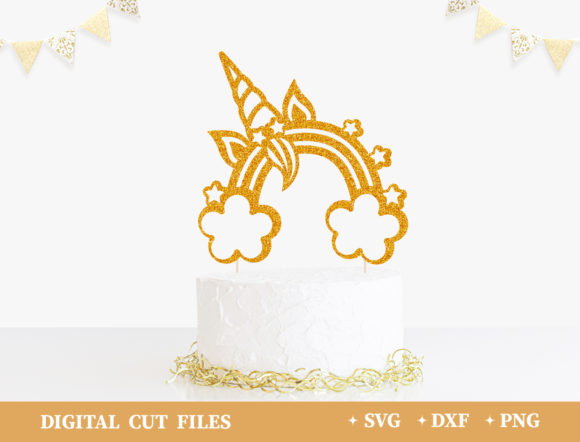
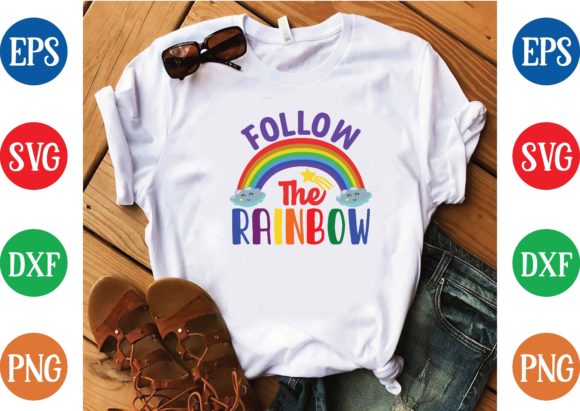
When you open Follow the Rainbow Svg, the immediate impression is one of cheerful, open-ended possibility. The rainbow motif is universally understood—it’s a symbol of hope, color, and simple delight. This isn’t a hyper-detailed illustration; it’s a graphic with a clean, friendly personality. The layout feels balanced, and the theme suggests it’s adaptable across a wide audience, from kids to adults. For an embroidery designer, this translates to a design that carries a positive mood without demanding intricate stitching. It naturally belongs to projects meant to spark a smile.
Where This Design Shines in Real Projects
In my workshop, evaluating a design means thinking through its real-life applications. Follow the Rainbow Svg is versatile. I immediately pictured it on a custom embroidered tote bag for a craft fair—the graphic scale would be perfect for a bag’s panel. For a client wanting a personalized gift, it would be lovely on a baby’s blanket or a set of kitchen towels, bringing a bright accent to everyday items. As a small shop product, this design could be the centerpiece of a simple, well-made sweatshirt or a crisp apron. The “Follow the Rainbow” message is gentle and encouraging, making it suitable for boutique merchandise aimed at a wide, family-friendly market.
For commercial embroidery projects, like a series of caps for a local event or embroidered patches, the clean lines promise good stitching clarity. It’s also a strong candidate for holiday gifts or wedding guest favors—think embroidered pillow covers or tea towels with a hopeful message. When creating printable mockups for an Etsy listing, this design provides a clear, attractive visual that helps customers imagine the finished product on their chosen item.
A Practical Scenario: The Embroidered Sweatshirt
Let’s walk through a typical use case. I’m preparing a custom embroidered sweatshirt for a client’s gift. I’ve loaded the Follow the Rainbow Svg file into my software. My first consideration is stitch density and thread colors. A rainbow implies color, but for embroidery, I might opt for a simplified, stylish palette—perhaps using three bold colors instead of seven to maintain a clean, professional look on a heavyweight sweatshirt fabric. The design’s shape allows for a satisfying satin stitch on the arc and a clean fill or running stitch for the lettering, provided the details are not too tiny. The end result would be a cozy, high-value handmade product with immediate visual appeal.
Careful Application: Points to Consider
While the design is adaptable, its application requires some practical judgment. On very small hoop sizes, the finer details and any small lettering might lose clarity. I’d be cautious using it on highly textured or very stretchy fabrics without the right stabilizer, as the shapes could distort. On thin fabrics, a dense stitch fill could cause puckering. Embroidering on dark fabric requires careful thread color contrast planning—a rainbow on black can be stunning, but you need to ensure the colors pop.
For curved surfaces like caps, the design’s layout would need testing to ensure it fits the curvature without awkward breaks. Products destined for frequent washing, like baby clothes, need a robust stitch construction. Here, simplifying the design’s stitch types and using durable threads would be key. These considerations directly affect customer trust and the longevity of your finished product.
How It Lifts Your Craft Business
Using a well-executed design like this affects more than just the stitch. It elevates the perceived value of your handmade product. When a customer sees a crisp, cheerful rainbow embroidery on a tote or a baby item, it communicates professionalism and thoughtful design. For a creative entrepreneur, it supports brand consistency if your shop leans toward joyful, accessible themes. Its giftability is high—it’s a recognizable, positive symbol. In a craft fair setting or an Etsy listing, an item embroidered with this design can engage buyers quickly, creating an emotional hook that goes beyond a generic graphic.
Essential Designer Notes Before You Stitch
Before committing this design to a client project or your shop merchandise, run through your usual checks. Always test the embroidery file on a piece of scrap fabric first. This reveals how the stitch density behaves with your chosen stabilizer and fabric texture. Check thread color contrast against both light and dark backgrounds—create simple black and white mockups to see the form clearly. Inspect the small details in the design; if there are minute corners or thin lines, decide if they need adjustment for your machine embroidery setup.
Confirm the hoop size you’ll need for the desired final size on your product. Crucially, verify the licensing terms for this digital embroidery file. Since it’s described as a cutting file compatible with software like Cricut and Silhouette, ensure you understand its permitted uses for both personal and commercial projects before selling any finished items or incorporating it into your digital product assets. This step is fundamental for any professional designer or small business owner.
The Final Take: A Trustworthy, Adaptable Asset
Follow the Rainbow Svg stands out as a graphics file with strong, practical potential for embroidery. It’s not just a digital product; it’s a design asset that, when stitched with care, transforms into a tangible piece of joy on apparel, decor, and gifts. Its mood is universally appealing, and its structure is amenable to various embroidery techniques. For the maker looking to create something that feels both handmade and professionally polished, this design offers a straightforward path. Remember, the real magic happens when you pair a good digital file with your skill and thoughtful application—that’s where the rainbow truly leads.